Complete Guide to Buying a Used Car in Serbia: 9 Steps to Protect Yourself
Complete guide to buying a used car in Serbia. Learn the 9 essential steps: budgeting, inspection, test drive, negotiation, and registration. Avoid scams and protect yourself.
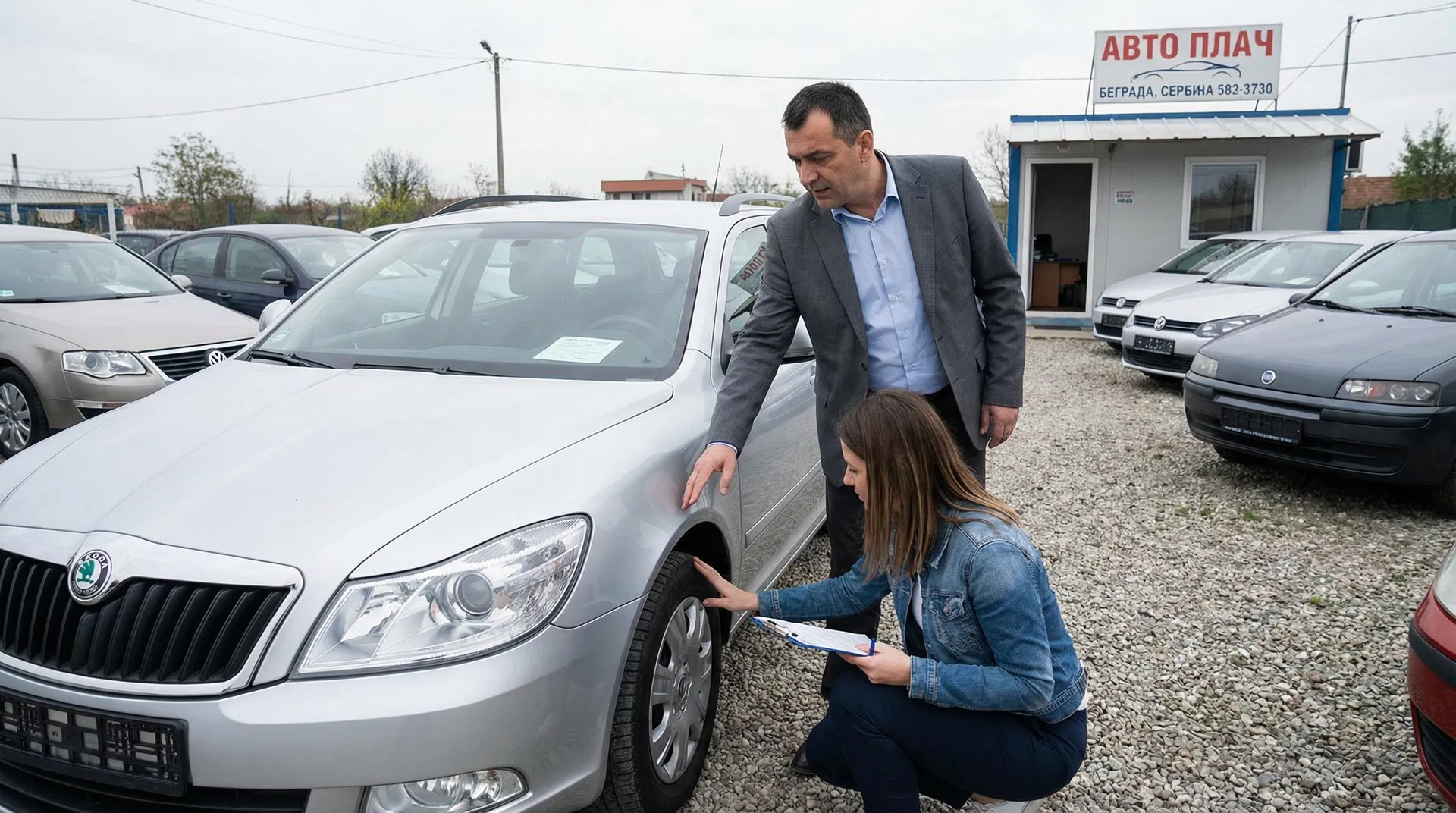
Complete Guide to Buying a Used Car in Serbia: 9 Steps to Protect Yourself
Buying a used car is one of the larger financial decisions drivers make. In Serbia, the used car market is dynamic and full of opportunities, but also risks. As a driver considering buying a used car, you need to know how to protect yourself, how to inspect a vehicle, and how to avoid common mistakes that buyers make.
Why Is It Important to Know What to Look For?
A used car can be an excellent choice if you know what to look for. However, without knowledge, you can easily end up with a car that has hidden problems or pay more than you should. In Serbia, the used car market is often overwhelming, with a mix of private sellers, dealerships, and brokers. Each has different motivations and standards.
Step 1: Determine Your Budget and Needs
Before you start looking for a car, clearly define:
- Budget: How much money are you willing to spend? Consider not just the car price, but also registration, insurance, and maintenance costs.
- Car Type: What do you need? Family cars, compact vehicles, SUVs? Consider size, fuel consumption, and practicality.
- Year and Mileage: Older cars are cheaper but may have more issues. Cars with lower mileage are more expensive but usually have longer lifespans.
- Fuel Type: Petrol, diesel, or hybrid? Consider fuel availability and costs in your area.
Step 2: Where to Find Used Cars?
In Serbia, there are several options for finding a used car:
Private Sellers
- Advantages: Often more flexible with price, and you can talk directly with the owner.
- Disadvantages: No warranty, and harder to verify car history.
- Where: Online ads (Kupujemprodajem, Halo oglasi, Facebook groups).
Car Dealerships
- Advantages: Cars are usually inspected, and there's often some kind of warranty.
- Disadvantages: Prices are usually higher because the dealership adds its margin.
- Where: Local dealerships, larger sales centers.
Brokers
- Advantages: They have access to more cars and can help with paperwork.
- Disadvantages: Commission fees, and sometimes less transparency.
Step 3: Check the Car's History
Before you even look at the car in person, try to find out as much as possible about its history:
- License Plates: Check if plates are original and match documents.
- Technical Inspection: Ask to see the latest technical inspection. This tells you if the car passed inspection and if it has serious problems.
- Service History: If possible, find out where the car was serviced. Regularly maintained cars usually last longer.
- Number of Owners: Cars with fewer owners are usually better maintained. Frequent owner changes can be a sign of problems.
Step 4: Physical Inspection of the Vehicle
When you decide to look at the car, pay attention to:
Exterior
- Paint and Color: Check if the color is uniform. Different shades may indicate previous damage and repairs.
- Rust: Check the underside, door sills, and doors for rust signs.
- Tires: How worn are they? New tires are expensive, so that could be an additional cost.
- Lights and Glass: All lights should work, and glass should be clean without cracks.
Interior
- Seats: How worn are they? Check for cracks or damage.
- Color and Smell: Bad smell can indicate moisture or mold problems.
- Dashboard: All buttons and controls should work.
- Mileage: Check if the mileage matches the car's condition. A car with 50,000 km should look better than one with 150,000 km.
Engine
- Sound: Start the engine and listen. It should be quiet and without unusual noises.
- Smoke Color: White smoke can indicate engine problems. Black smoke indicates a rich fuel mixture.
- Leaks: Check under the car for signs of oil or other fluid leaks.
Step 5: Test Drive
The test drive is critical. During driving, pay attention to:
- Brakes: Should be firm and without vibration.
- Steering: Should be responsive and without play.
- Transmission: Should shift smoothly and without jerky transitions.
- Suspension: The car shouldn't bounce or have strange noises while driving.
- Air Conditioning: Should cool or heat as needed.
Step 6: Professional Technical Inspection
If you're seriously interested in the car, consider paying for an independent technical inspection by a professional. This usually costs between 3,000 and 5,000 dinars, but can save you from expensive problems later.
A professional will:
- Check all car systems
- Identify potential problems
- Give you a detailed report with recommendations
Step 7: Negotiate the Price
Now comes the negotiation. Here are some tips:
- Know the Market Price: Check other ads for similar cars. This gives you a basis for negotiation.
- Use Problems as Leverage: If you found problems during inspection, use that as a reason for a price reduction.
- Be Ready to Walk Away: If the seller won't lower the price, there are other cars.
- Watch for Suspiciously Low Prices: If the price is surprisingly low, it could be a sign of problems.
Step 8: Check the Documents
Before you pay, check all documents:
- Registration Certificate: Should be original and match the owner's identification.
- Technical Inspection: Should be valid.
- Insurance: Check if the car is insured.
- Proof of Ownership: Should be clear and without disputes.
Step 9: Registration and Insurance
After purchase, you need to:
- Register the Car: Usually takes a few days. You need to go to the tax authority with documents.
- Insure the Car: It's legally required. Consider what type of insurance you need.
- Technical Inspection: If old, you need a new technical inspection.
Common Mistakes Buyers Make
- Buying Without Inspection: Never buy a car without a thorough inspection.
- Ignoring History: Always check the car's history.
- Negotiating Only on Price: Also consider maintenance costs.
- Neglecting Documentation: Always check all documents.
- Buying Under Pressure: Never make a quick decision.
How VividWash Can Help
After you buy a car, regular maintenance is key. VividWash helps you find reliable services and car washes in your area. Regular washing and car maintenance can:
- Extend the car's lifespan
- Maintain its value
- Prevent expensive damage
Conclusion
Buying a used car doesn't have to be a scary experience. With knowledge, attention, and good negotiation, you can find a great car at a reasonable price. Remember: it's better to spend a little time and money on inspection than to pay for expensive repairs later.
Happy buying!
Related articles

Industrija
VividWash at Belgrade Auto Show 2026 | Strategic Partnerships
VividWash CEO Marko and team participate in Belgrade Auto Show 2026, leading digital transformation of Serbia's automotive service industry through supply chain collaboration strategy.
Read →
_937e8806.png)
Industry
VividWash at Belgrade Auto Show 2026: Transforming Serbia's Automotive Industry
VividWash at auto show 2026 establishes strategic partnerships with equipment manufacturers.
Read →
(1)-转换自-jpeg_2b8d86ce.webp)
Industry
Belgrade Auto Show 2026: VividWash's Supply Chain Empowerment Strategy and the Path to Upgrading Serbia's Automotive Service Industry
The Belgrade Auto Show 2026 represents a strategic position for VividWash to establish partnerships with the supply chain and achieve transformation of Serbia's automotive service industry.
Read →